Why Jory Caulkins Invests in Moats, Not Just Multiples
Jory Caulkins of Enduring Companies shares how trust, moats, and downside protection drive his investment decisions as an independent sponsor.
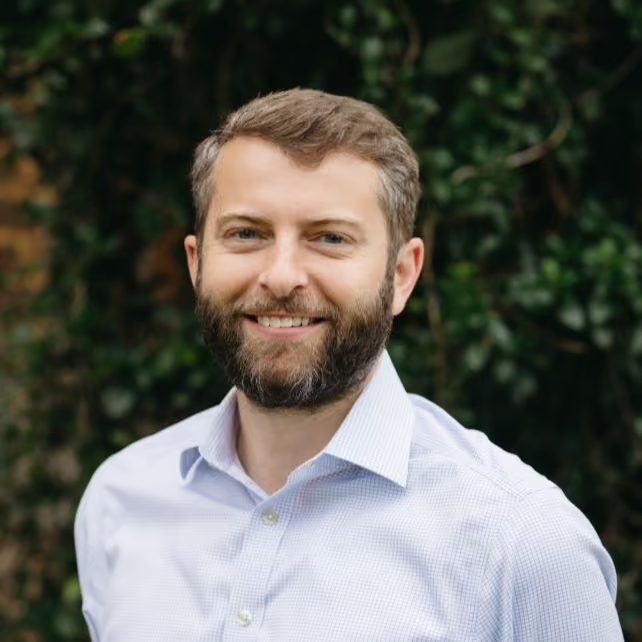

Dallas-based Jory Caulkins is a Stanford GSB / Bain Capital alum with extensive experience as a serial entrepreneur, dealmaker, and operator. His firm, Enduring Companies, owns four portfolio companies, including two as the lead sponsor.
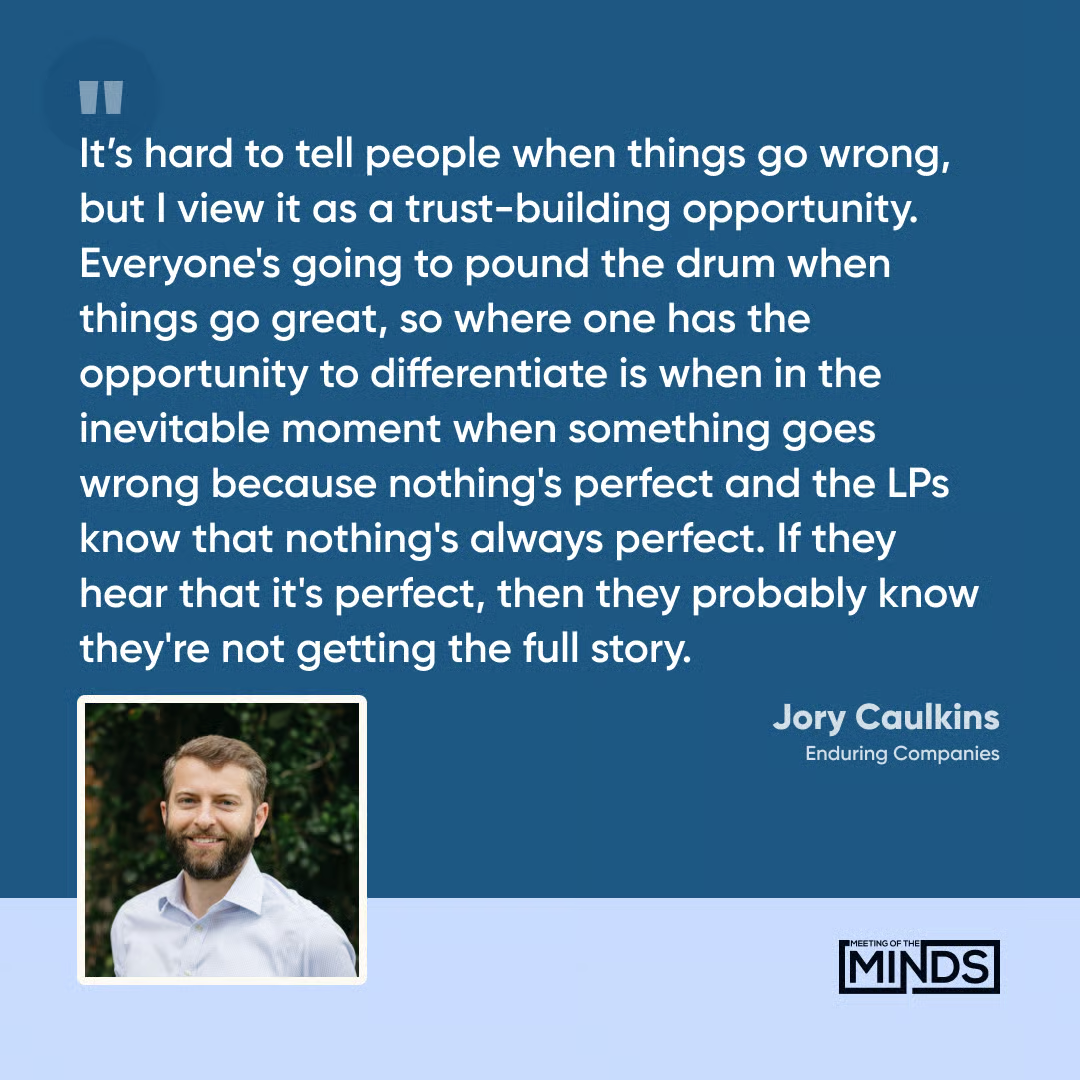
Jory discusses “trust” in great detail. He outlines why it is so important and suggests a series of tactical ways to build trust with sellers, investors, and other stakeholders. He explains the “say-do” ratio, likens trust to a bank account, and advocates for content marketing as a trust-builder.
Jory shares that his firm didn’t close a deal in 2024, despite reviewing 1,400 opportunities. Is it them or is it the market? We don’t know, but Jory takes us through how he tries to stay disciplined and only pursues opportunities that are both a good fit for him and a good business in general.
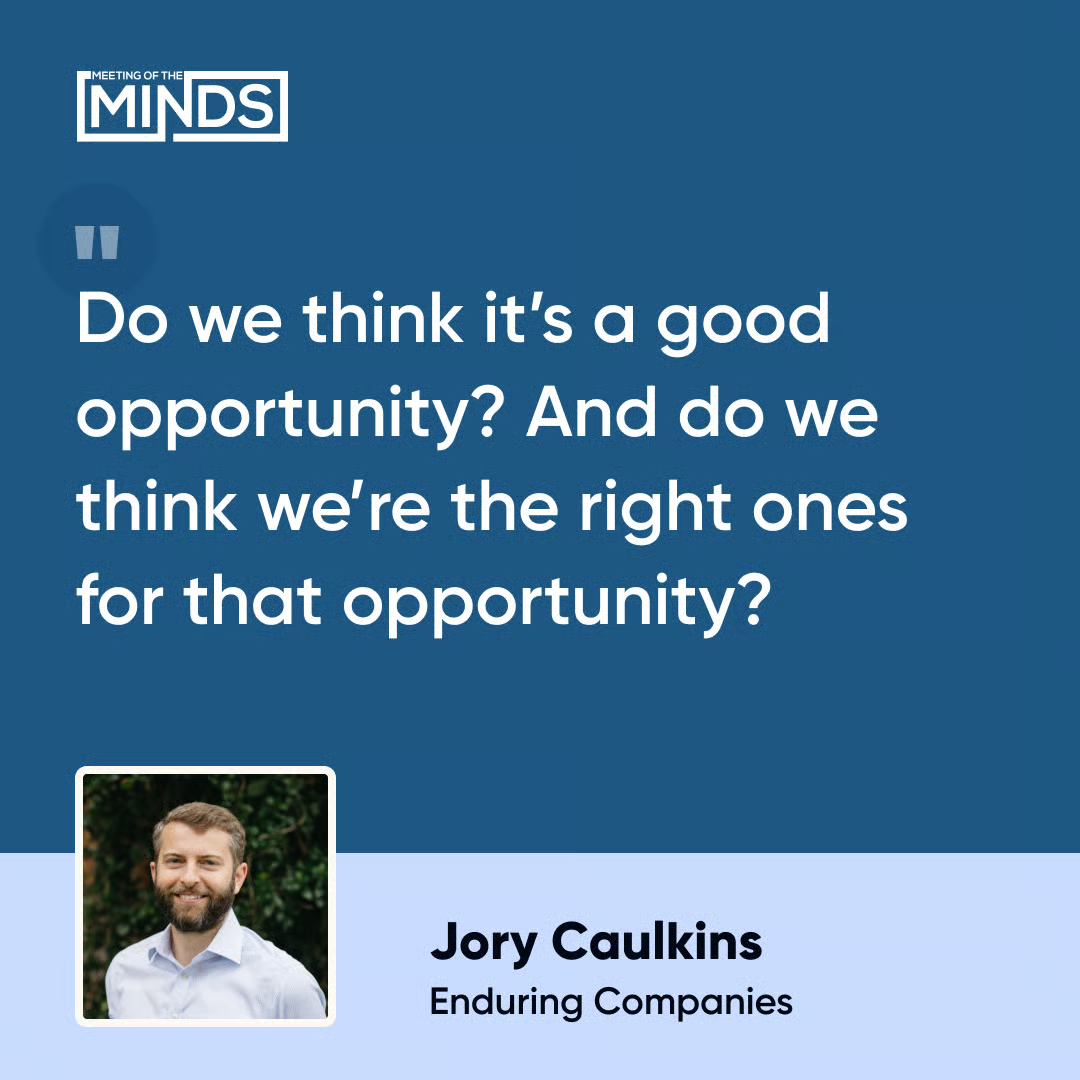
According to Jory, deal diligence can boil down to three main criteria:
- Moat: Can the business maintain and grow market share indefinitely?
- Longevity. Is there a risk the business may be disrupted?
- Asymmetry. Is the downside protected? Is there upside potential?
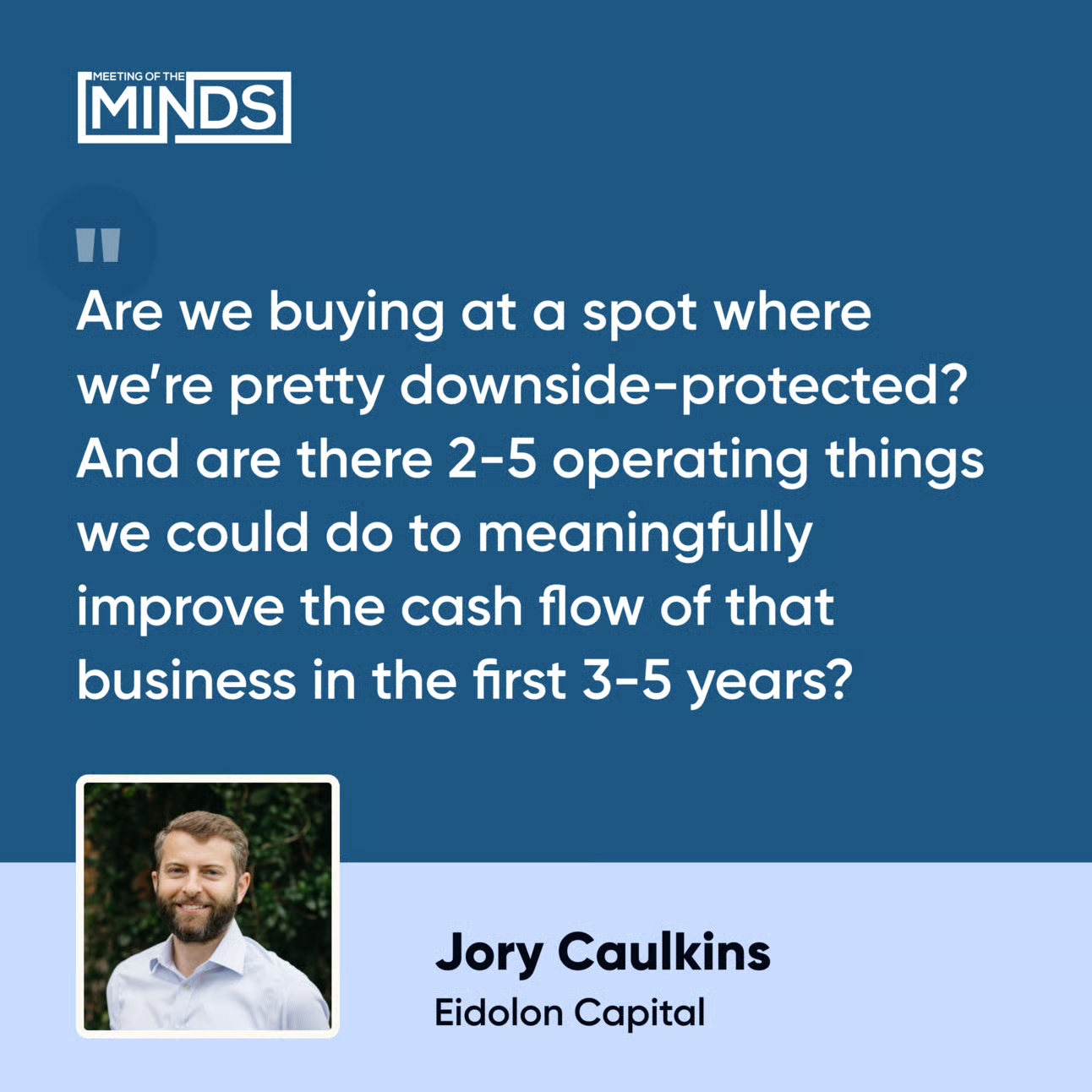
Listen for Jory’s insights on investment philosophy, industry trends, and business-relationship-building advice.
More recent episodes
The $600M Bet on Independent Sponsors
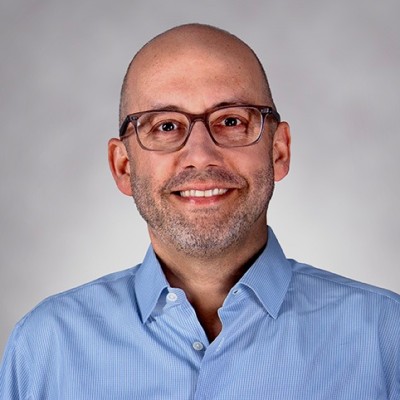
Grant Kornman co-founded NCK Capital as an independent sponsor in 2013, then moved to the capital side with Align Collaborate in 2023. Align now manages $600m+ across 2 dedicated funds and writes $10-40m equity checks into sponsor-led LMM deals. Grant has watched the independent sponsor market evolve from both sides.

815 Independent Sponsor Deals Analyzed
Greg Brown is a Professor of Finance at UNC Kenan-Flagler and Founder of the Institute for Private Capital. On July 15, 2026, he published the first large-scale study of independent sponsor performance, covering 815 deals. Investor-reported transactions generated a 2.86x average gross TVPI and 29.3% gross IRR, outperforming matched non-IS PE deals by 0.73x TVPI and 11.4% IRR on average, with no statistically significant increase in downside risk.
When Equity Oversubscribes 2-3x
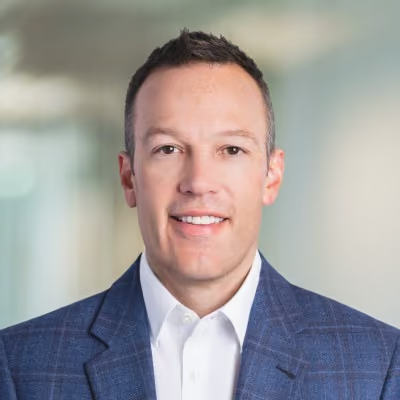
Sequoya Borgman is the first repeat guest on the Minds Capital Podcast. Since his last appearance, Borgman Capital has exited 1 company (4x+ net MOIC) and acquired 2 more (Minds Capital invested in the latest one, PCCD)