11x MOIC by Scaling Revenue from $15m to $100m
Justin Turner of Traction Capital shares how a 7-year hold in specialty fire equipment distribution achieved 11x MOIC and 44% IRR through strategic exit planning and rollup execution.


Justin Turner and Traction Capital Partners just exited a 7-year hold in the specialty fire equipment distributor space, where they grew revenue from $15m to nearly $100m. Traction Capital proved that a semi-long-term hold allows real value creation, leading to an 11x MOIC and 44% IRR outcome.
Minds Capital is an equity fund for independent sponsors. We invest $1-3m of equity per platform and average one commitment per month.
This episode is sponsored by
Exit planning = Entry planning for Traction. Before even closing a deal, Justin and his team map the private equity and strategic landscape for a future exit. Identifying $500m+ funds that are rolling up in certain verticals gives them not just an exit ramp, but also a roadmap for what their acquired company must evolve into. With C-Western, Justin became a "thorn in the side" of a larger competitor, that eventually prompted a merger at a premium valuation.
In a separate deal, Justin has built experience with franchises. The Restoration One deal revealed a unique valuation delta where sponsors can buy franchisees in sophisticated operations at a 20-30% discount compared to stand-alone companies. While the "franchise tax" of royalties can create P&L (& PE) heartburn, the brand risk is mitigated and integration is pre-baked. In addition, by being in the system you gain a programmatic M&A pipeline where every target operates on the exact same playbook, making 3x revenue growth in 24 months a repeatable opportunity.

On an annual basis, Traction gathers its top 2-3 executives from every platform for a high-intensity summit. It's is a highly tactical gathering focused on recommending systems and sharing ideas on people issues to supercharge revenue growth. It becomes a horizontal education network where a paving executive and a restoration lead can trade marketing and retention strategies.

The independent sponsor model is capital-efficient, but it doesn't jive perfectly with a "lumpy" rollup approach. As C-Western matured, the growth necessitated checks too large for the deal-by-deal structure. Justin shares how they decided bet ween onboarding yet another minority partner versus handing the keys to a larger fund to fuel the $100m+ revenue journey.
More recent episodes
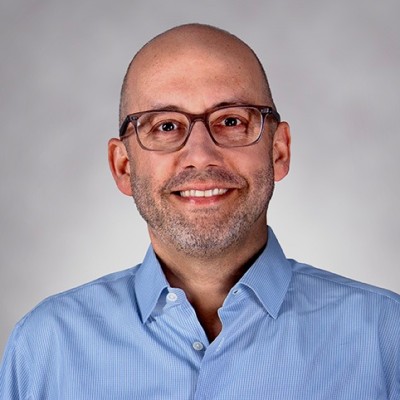
The $600M Bet on Independent Sponsors
Grant Kornman co-founded NCK Capital as an independent sponsor in 2013, then moved to the capital side with Align Collaborate in 2023. Align now manages $600m+ across 2 dedicated funds and writes $10-40m equity checks into sponsor-led LMM deals. Grant has watched the independent sponsor market evolve from both sides.
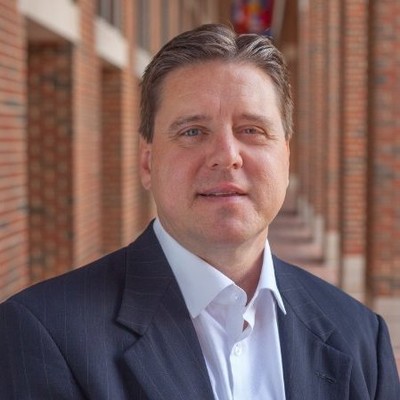
815 Independent Sponsor Deals Analyzed
Greg Brown is a Professor of Finance at UNC Kenan-Flagler and Founder of the Institute for Private Capital. On July 15, 2026, he published the first large-scale study of independent sponsor performance, covering 815 deals. Investor-reported transactions generated a 2.86x average gross TVPI and 29.3% gross IRR, outperforming matched non-IS PE deals by 0.73x TVPI and 11.4% IRR on average, with no statistically significant increase in downside risk.
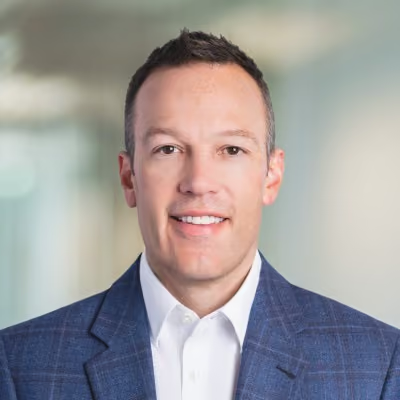
When Equity Oversubscribes 2-3x
Sequoya Borgman is the first repeat guest on the Minds Capital Podcast. Since his last appearance, Borgman Capital has exited 1 company (4x+ net MOIC) and acquired 2 more (Minds Capital invested in the latest one, PCCD)