2M to Start as an IndependentSponsor
Drew Bagin and his partner raised $2m in GP seed capital before their first independent sponsor deal. Five platforms later, their New England focus has created a differentiated sourcing and value-creation network, with a fire protection platform nearing exit.

$2m to Start as an Independent Sponsor
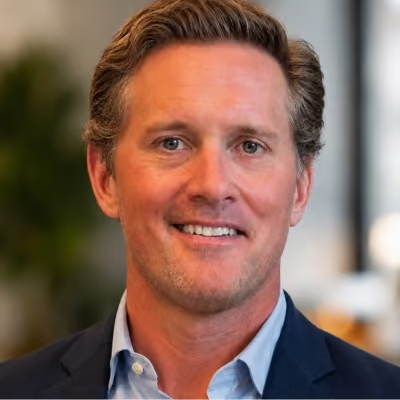
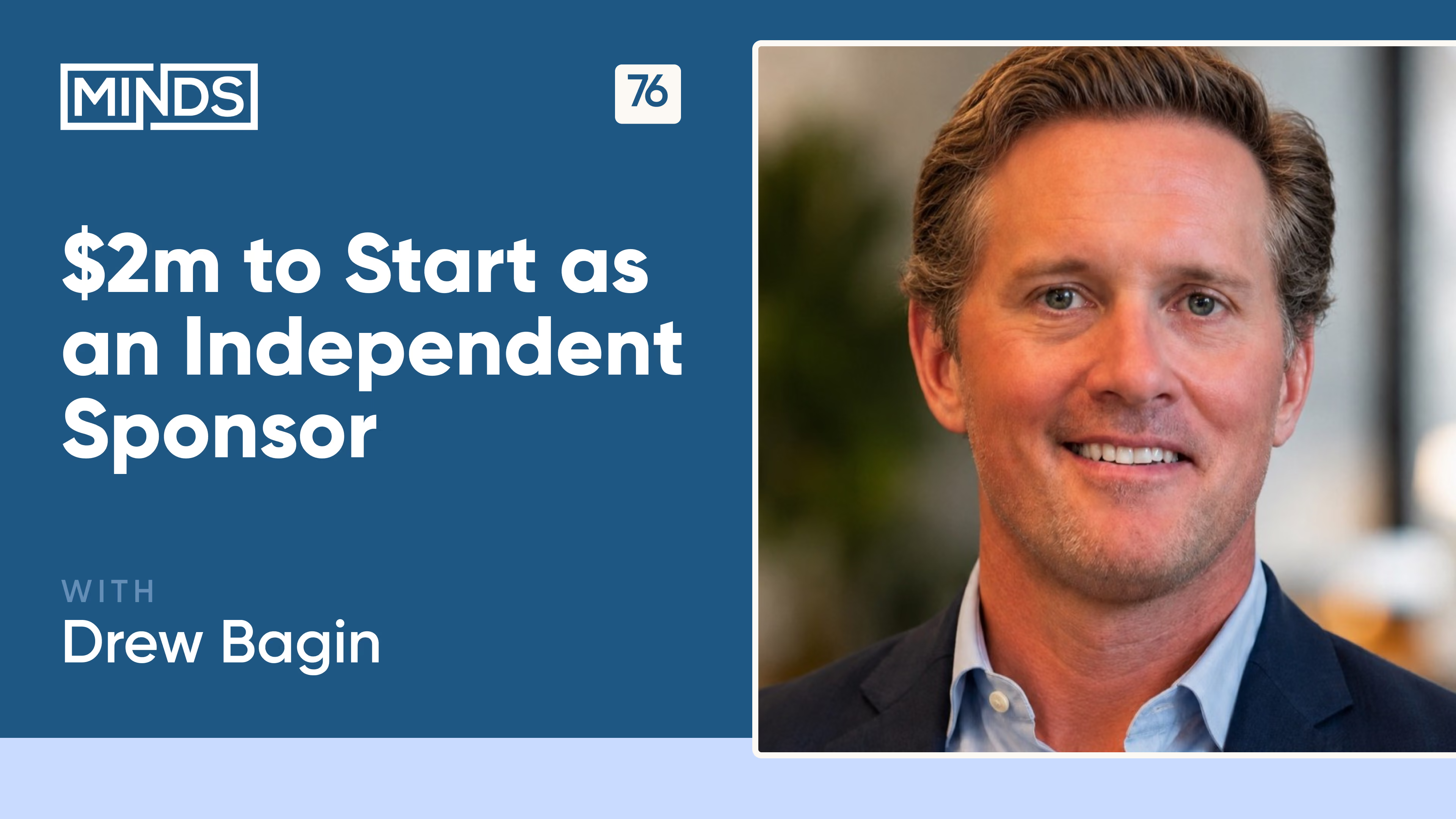
Drew Bagin and his partner raised $2m in seed capital for the General Partnership before doing their first deal as an independent sponsor. Then they built a tightly regional strategy focused on Maine and New England. 5 platforms later, the regional focus manifests in a differentiated sourcing network & value creation, and a fire protection platform approaching exit.
Minds Capital is an equity fund for independent sponsors. We invest $1-3m of equity per platform and average one commitment per month.
This episode is sponsored by


Time pressure can compromise underwriting for new independent sponsors. Salaries need paying, and dead deal fees really hurt. North Haven avoided that by raising $2m from 5 Family Offices in exchange for a minority GP stake and right of first refusal on future deals. The firm still ran lean, but the seed capital allowed Drew and his partner to wait for the right deal instead of overpaying for an acceptable one.
Another differentiator is the narrow geographic focus: Maine, New Hampshire, Massachusetts, and Vermont, where relationships run deep with sellers, executives, investors and board members. The focus brings both proprietary deal flow and helps win processes where a founder is choosing between 2-3 buyers at similar prices. That is, shared networks and local familiarity tip the decision.
The first platform, a fire protection rollup: North Haven bought it at roughly 4x EBITDA, initially doing $600-700k. EBITDA has since climbed past $2m, driven by bolt-on acquisitions and a greenfield fire alarm business that went from zero to $3-4m in revenue. The company is still acquiring, and North Haven is window-dressing it for a 2027 exit (which will generate a strong return for the LPs).
Another portco, a veteran-owned government contractor, needed a different structure. Its revenue depended on Service-Disabled Veteran-Owned Small Business (SDVOSB!) status, so North Haven couldn't just take control. Instead, they partnered with a qualifying veteran operator who put up his own capital for 51% ownership, with North Haven taking 49%. The buyer pool for this company was naturally very limited, but their ability to solve it unlocked attractive entry economics.
More recent episodes
Over $60m of Second Bite Liquidity
Chad Scripps started Black Lake Capital in 2013 after stints at McKinsey, HIG, and several hedge funds. Based in Denver, Black Lake closes just 1-2 acquisitions per year despite reviewing thousands of opportunities. The firm calls itself tech-enabled, but Chad admits that’s a loose moniker: “If you’ve got email, we’ll call you tech enabled.”
The Doctor & The Finance Bro
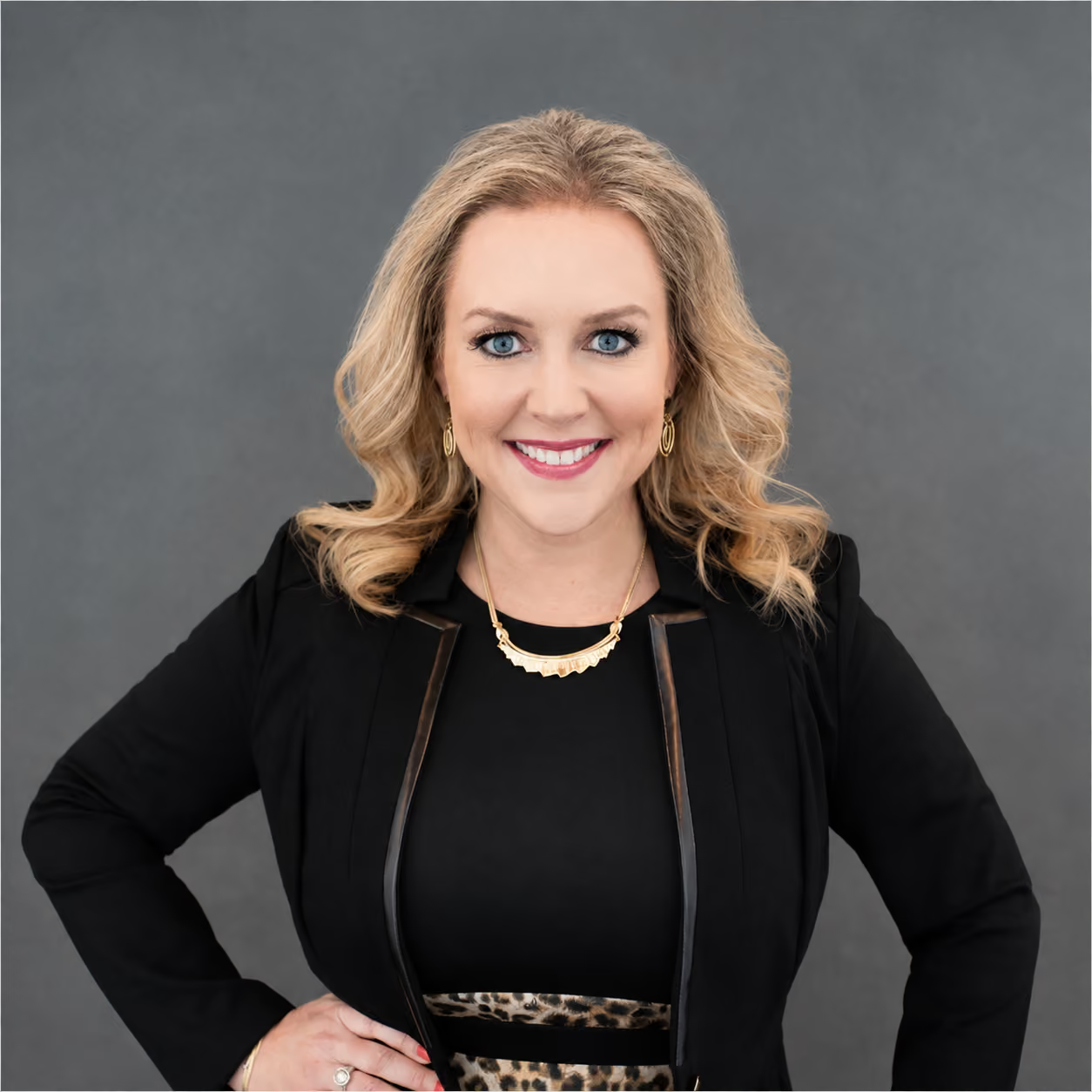
Dr. Lisa Piercey’s path spans pediatric medicine, hospital leadership, Tennessee Health Commissioner and now independent sponsor nearing her fifth healthcare platform. Her edge: deep operating and policy expertise across reimbursement, Medicaid, aging and value-based care.
$2M to Start as an IndependentSponsor
Drew Bagin and his partner raised $2m in GP seed capital before their first independent sponsor deal. Five platforms later, their New England focus has created a differentiated sourcing and value-creation network, with a fire protection platform nearing exit.