7x Organic EBITDA Growth After Liberating Employees
Rise Run Capital's Corbin Cook and Alex Swanston discuss their independent sponsor success: 5 platforms, $50m+ EBITDA, and a 7x exit in 4 years.
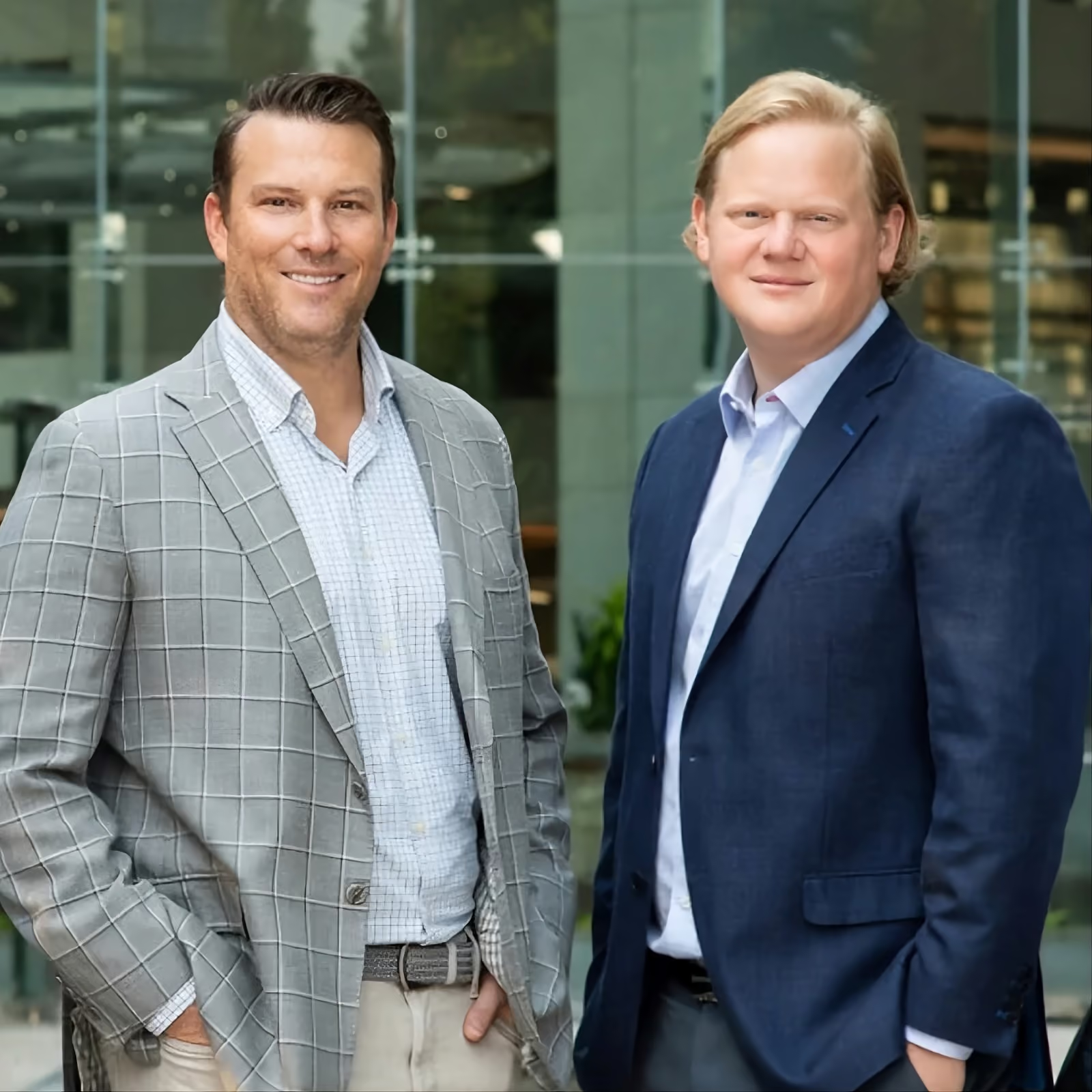

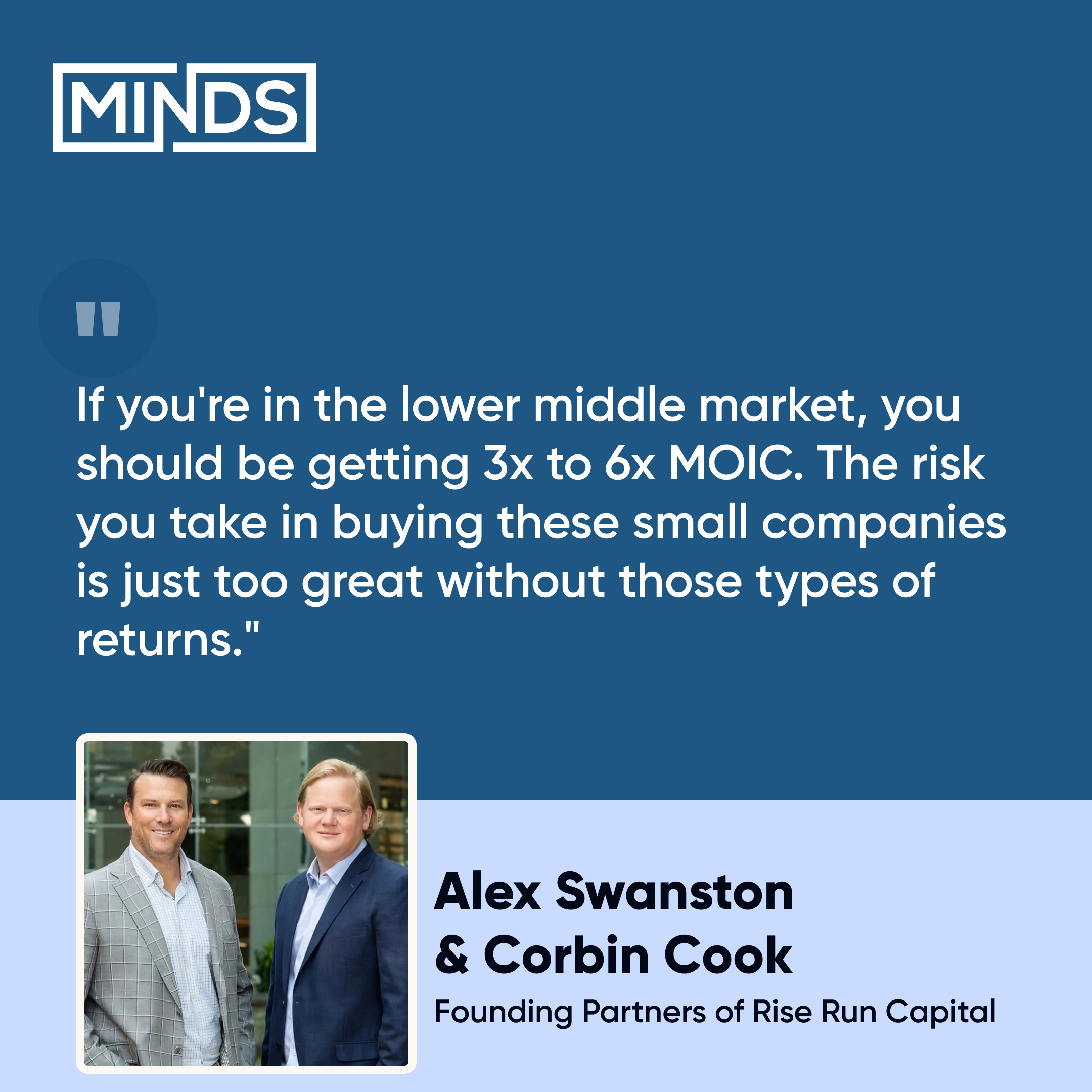
Corbin Cook and Alex Swanston of Rise Run Capital challenge the "get rich slow" reputation of independent sponsorship. Since starting 6 years ago, after having roadmapped their firm over beers by a bonfire in Wyoming, they have acquired 5 platforms, reaching more than $50m of aggregate EBITDA, before landing their 1st home run exit (7x EBITDA growth in 4 years) a few months ago.
Minds Capital is an equity fund for independent sponsors. We invest $1-3m of equity per platform and average one commitment per month.
This episode is sponsored by
The Dallas-based firm has a team of 6, including 2 Associates, 1 BD lead, and 1 in-house counsel. They maintain a cadence of 1 platform acquisition per year, noting it takes 12 months to fully stabilize a business post close. With $40m in total EBITDA across 4 current platforms, Corbin and Alex are approaching max capacity. One feature is that they prioritize high equity alignment, not only with a rolling seller (where applicable), but also with management teams who often access a 10% incentive pool.


Rise Run targets risk-averse founders who have stopped reinvesting in growth, to the chagrin of employees. This enables Alex and Corbin to "liberate" the employees with immediate post-closing impact. This may take the form of renting an Airbnb for 2 weeks to host workshops with every functional department, where they can whiteboard a 5-year roadmap based on raw feedback from employees previously stifled by old ownership. This not only uncovers ideas from the grass roots, but also provides instant cultural alignment between them as new owners and the team. The goal is to identify at least 2 major organic growth levers (or validating them, if found during the due diligence).
Corbin and Alex are active in daily operations, sometimes even serving as interim CFOs. They argue that sub-$5m EBITDA companies lack the cash flow to afford expensive consultants, which forces them as the sponsor to be the primary executor of the value creation plan. By keeping leverage low and staying in the $2-7m EBITDA box, they create a margin of safety.
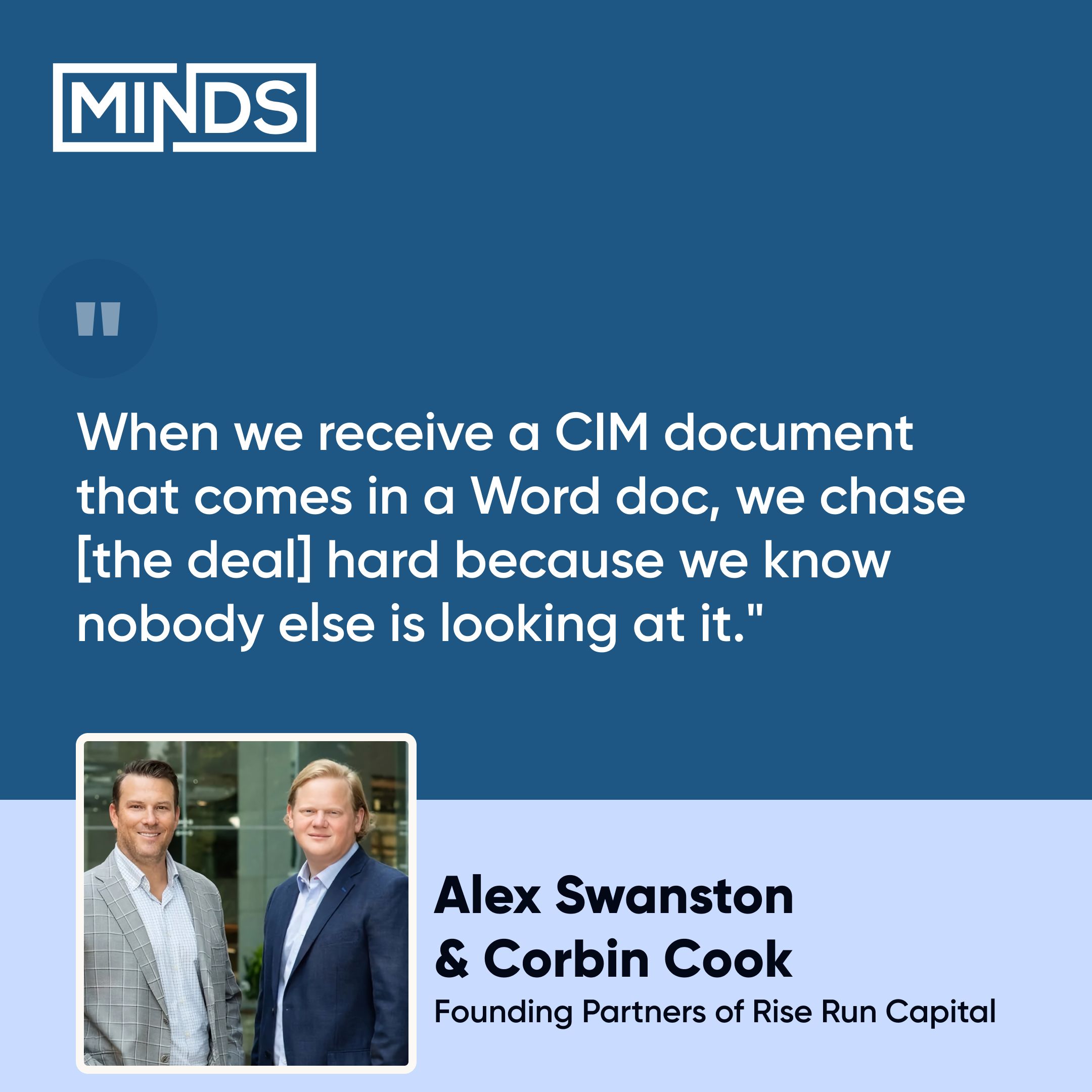
Alex was previously a QoE provider, having completed 2,500 QoEs prior to starting Rise Run. So he can vet deals with extreme speed. This muscle memory allows Rise Run to ignore "pretty" brokered books and chase messy Word doc CIMs that others overlook. They often embark on 24-month courting periods with sellers to build trust and ensure a deal is "fully baked" before socializing it with equity investors. This proprietary persistence is deliberate, and once they followed up monthly for a full year with zero response before eventually hearing back and closing a winner.
More recent episodes
The $600M Bet on Independent Sponsors
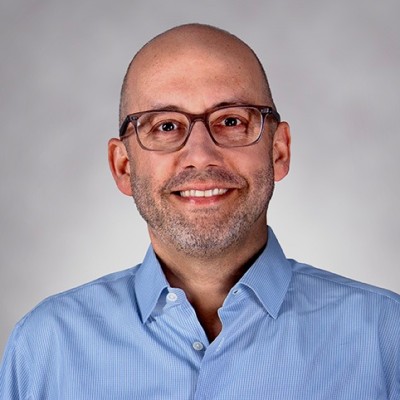
Grant Kornman co-founded NCK Capital as an independent sponsor in 2013, then moved to the capital side with Align Collaborate in 2023. Align now manages $600m+ across 2 dedicated funds and writes $10-40m equity checks into sponsor-led LMM deals. Grant has watched the independent sponsor market evolve from both sides.
815 Independent Sponsor Deals Analyzed
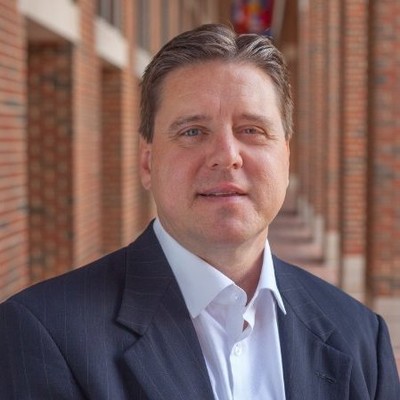
Greg Brown is a Professor of Finance at UNC Kenan-Flagler and Founder of the Institute for Private Capital. On July 15, 2026, he published the first large-scale study of independent sponsor performance, covering 815 deals. Investor-reported transactions generated a 2.86x average gross TVPI and 29.3% gross IRR, outperforming matched non-IS PE deals by 0.73x TVPI and 11.4% IRR on average, with no statistically significant increase in downside risk.
When Equity Oversubscribes 2-3x
Sequoya Borgman is the first repeat guest on the Minds Capital Podcast. Since his last appearance, Borgman Capital has exited 1 company (4x+ net MOIC) and acquired 2 more (Minds Capital invested in the latest one, PCCD)