Doug Song: Scaling Through Co-Sponsoring in Private Equity
Doug Song shares his independent sponsor journey, co-sponsoring strategy, and advice on navigating today's capital landscape for dealmakers.
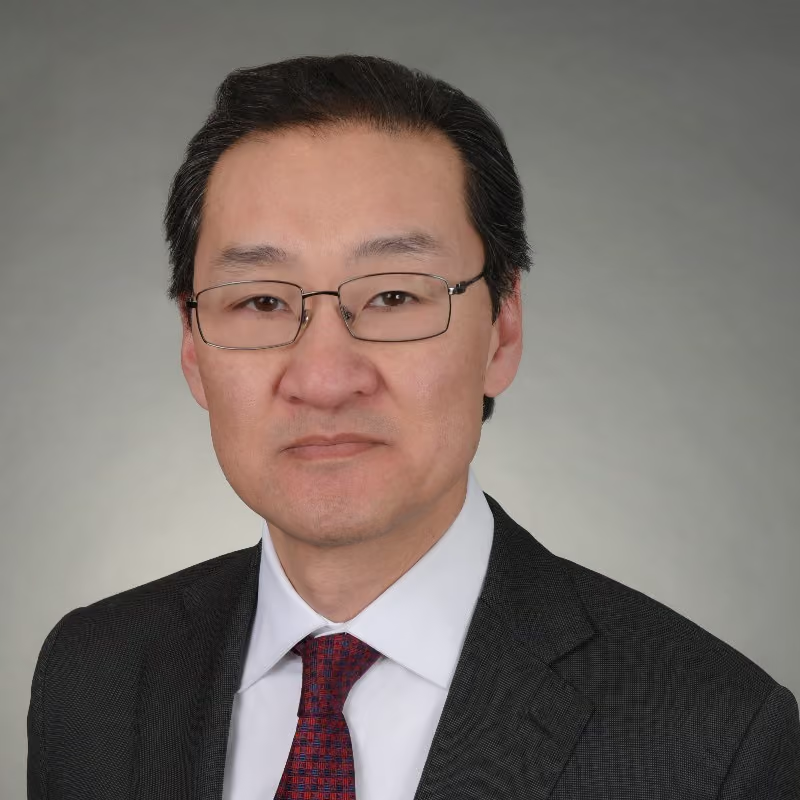

Doug’s first deal as an independent sponsor set the tone for everything that followed. It was a carveout of Flex, a century-old brand known for its stone and masonry equipment, from Black & Decker. With a partner who had previously led the division and a one-stop capital stack, Doug was able to close the deal in under 60 days. Over the next 3 years, Prodos grew the business and ultimately exited at an 8x MOIC, creating the foundation for future momentum.

With 6 portfolio companies and a lean 3-person team, Prodos uses co-sponsoring as a strategic way to scale. Doug sees it as an efficient way to do more without compromising on quality. Co-sponsoring enables emerging sponsors to learn by doing while giving experienced teams like Prodos valuable execution support. For Doug, it is also a way to invest in the independent sponsor ecosystem by mentoring and partnering with the next generation of dealmakers.

Doug also shares his views on today’s evolving capital landscape. He notes a growing presence of capital placement agents helping independent sponsors raise equity and debt, particularly for large or complex deals. At the same time, he offers a tempered view of family offices. While many express interest in the asset class, few have the internal commitment or diligence capacity to follow through. His advice is to always bring in multiple family offices per deal to reduce concentration risk.

For first-time sponsors, Doug says getting the first deal right is everything. He advises yielding up to 50% of the economics if needed to close with a credible partner. The long-term reputation and deal flow that follow are worth far more than holding out for better terms.
Check today's new episode of the Minds Capital Podcast.
More recent episodes
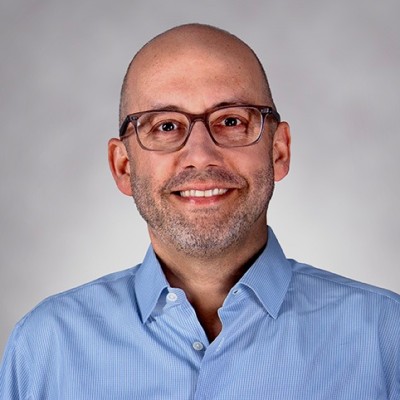
The $600M Bet on Independent Sponsors
Grant Kornman co-founded NCK Capital as an independent sponsor in 2013, then moved to the capital side with Align Collaborate in 2023. Align now manages $600m+ across 2 dedicated funds and writes $10-40m equity checks into sponsor-led LMM deals. Grant has watched the independent sponsor market evolve from both sides.
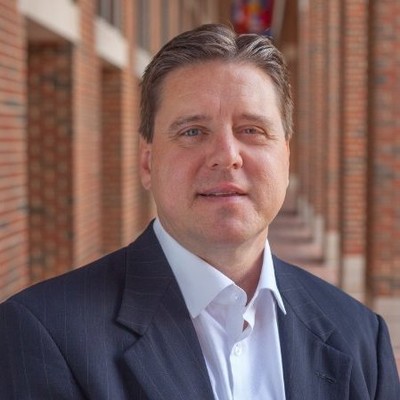
815 Independent Sponsor Deals Analyzed
Greg Brown is a Professor of Finance at UNC Kenan-Flagler and Founder of the Institute for Private Capital. On July 15, 2026, he published the first large-scale study of independent sponsor performance, covering 815 deals. Investor-reported transactions generated a 2.86x average gross TVPI and 29.3% gross IRR, outperforming matched non-IS PE deals by 0.73x TVPI and 11.4% IRR on average, with no statistically significant increase in downside risk.
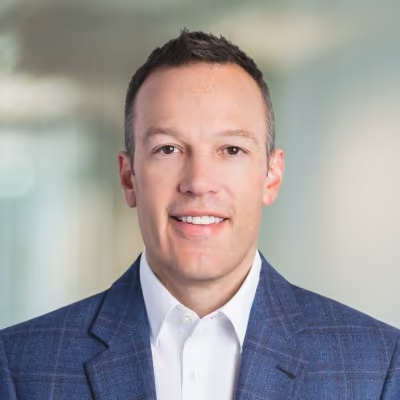
When Equity Oversubscribes 2-3x
Sequoya Borgman is the first repeat guest on the Minds Capital Podcast. Since his last appearance, Borgman Capital has exited 1 company (4x+ net MOIC) and acquired 2 more (Minds Capital invested in the latest one, PCCD)