The 16-Year Path to a $175m Revenue Portfolio
Michael Healy founded Gardner Standard in 2010, building a unique independent sponsor strategy focused on legally complex deals like bankruptcies and distressed situations.


Based in New York, Michael ("Mike") Healy began his career as an attorney before deciding the real fun and action were on the deal side. After a stint in PE, he founded Gardner Standard in 2010. The early years were rocky, marked by failed deals and long stretches of uncertainty. Momentum finally arrived when a sizable closing fee on a deal he sourced and sold to a PE fund provided the liquidity needed to persevere. Today, Mike is an accomplished independent sponsor with a clearly defined strategy built around sourcing deals with legal complexity.
A former attorney, Mike Healy founded Gardner Standard in 2010. His initial focus was on overlooked geographies, such as western North Dakota, Montana, Wyoming, and similar markets that institutional capital largely ignored at the time. From roughly 2010–2014, he spent weeks at a time on the ground, often driving from Minneapolis, meeting owners and advisors in oilfield-services-heavy towns.

Early deals were struck at 3.0-3.5x EBITDA, but many collapsed when lawyers or accountants told sellers the price was too low. During a particularly bleak stretch, Mike recalls watching the 2010 World Cup during business hours, unemployed and wondering if the strategy would work. Early momentum came from earning closing or consulting fees on sourced deals; critical cash flows that allowed him to keep going until a true acquisition closed.

As Gardner Standard matured, geographic arbitrage became less defensible, and the firm shifted toward legal complexity as a more durable edge. This includes bankruptcies, distressed situations, asset deals, receiverships, and transactions with recalls, warranty claims, or hidden liabilities. These deals often require closing in a few weeks, favoring buyers with speed and flexibility. Sourcing now centers on the distressed ecosystem: turnaround advisors, insolvency lawyers, special-situations bankers, and workout groups inside commercial banks. In some cases, Gardner even buys the loan itself, using creditor status as a path to long-term ownership. Legal complexity continues to scare off most buyers, preserving valuation dislocation.

Today, Gardner Standard runs a deliberately lean operation. Mike remains the sole senior partner, supported by a small internal team and deal-by-deal investment partners. Across the portfolio, aggregate revenue exceeds $175 million, with a strong focus on quality over scale. Gardner targets businesses capable of sustaining 20%+ EBITDA margins, using profitability as a proxy for durability, pricing power, and operational discipline rather than chasing topline growth alone.

More recent episodes
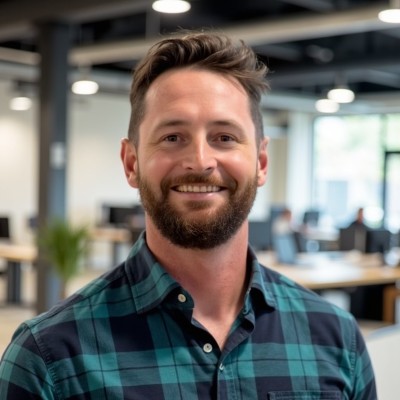
Grew EV 10x in 5 Years
Ben Rudman knew he wanted to work in food before he knew what investment banking was. His first independent sponsor deal, Western Smokehouse Partners, started with ~60 employees in 2018. By the time it sold 4.5 years later, it had almost 700 employees across 4 facilities and enterprise value had grown ~10x.
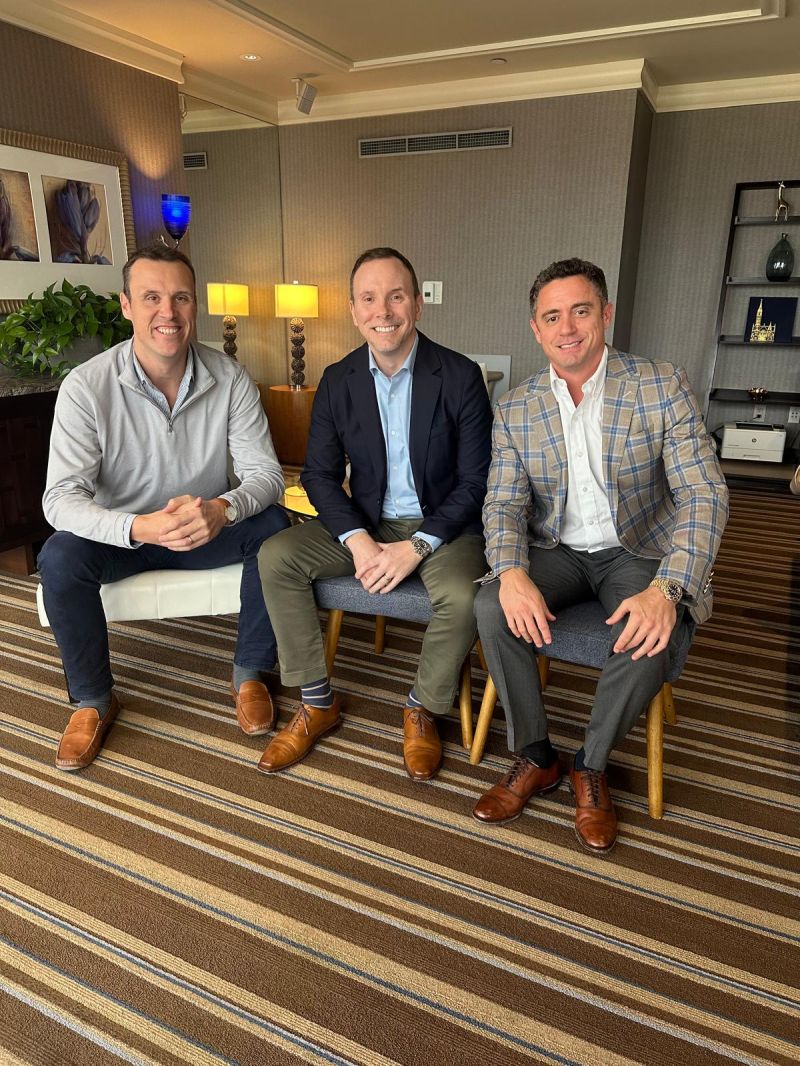
On the Ground at McGuireWoods 2026
Recorded from McGuireWoods in Dallas after Day 1, Niklas, Max & Will compare notes from the conference floor. Last year had ~2,000 attendees and this year felt bigger. The Minds team had ~30-40 meetings, found 3-5 qualified deal leads & ~6 prospective podcast guests. The day before, Minds hosted its annual Investor Day with 70+ RSVPs from 142 LPs and 8 portfolio sponsors attending.
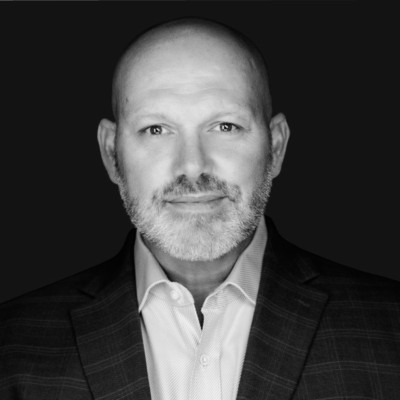
32x MOIC After 100 Investors Said No
Since Kevin Ramsier's last appearance on this podcast, his firm, Sier Capital, has closed a new infrastructure platform (where Minds Capital is an investor) and exited another business that generated a 32x MOIC over a 7-year hold. The same business started with 95% customer concentration and nearly 100 investors said no.